Where a Great River Begins as a Whisper
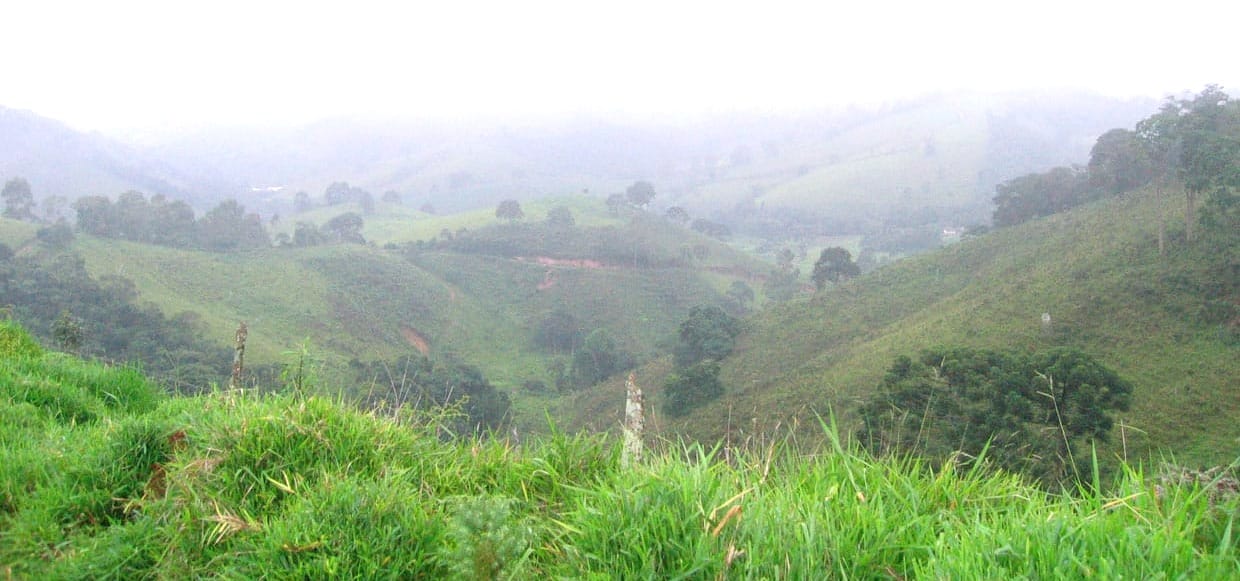
Somewhere in the mountains of southern Minas Gerais, deep inside a small private farm surrounded by banana trees and bamboo, a trickle of water seeps out of the earth. No fanfare, no signage on the highway, no tourist buses. Just a two-metre pool of water so clear you can count the pebbles at the bottom — and the birthplace of one of the most important rivers in the state of São Paulo.
Summary
The Mogi Guaçu River travels 473 kilometres from its spring in Bom Repouso (MG), in the Serra da Mantiqueira mountain range, to its confluence with the Pardo River in the municipality of Pontal (SP). Along the way, it crosses more than forty municipalities and supplies water, fishing, and recreation for over two million people. It is an essential river — and most of the people who depend on it have never seen where it begins.
I grew up swimming and fishing in the Mogi Guaçu in Conchal. That version of the river — wide, sluggish, brownish — is what most people know. The idea that somewhere upstream, that same water is crystal clear and cold, pouring out of the ground in the middle of preserved Atlantic Forest, was reason enough to organise an expedition to find it.
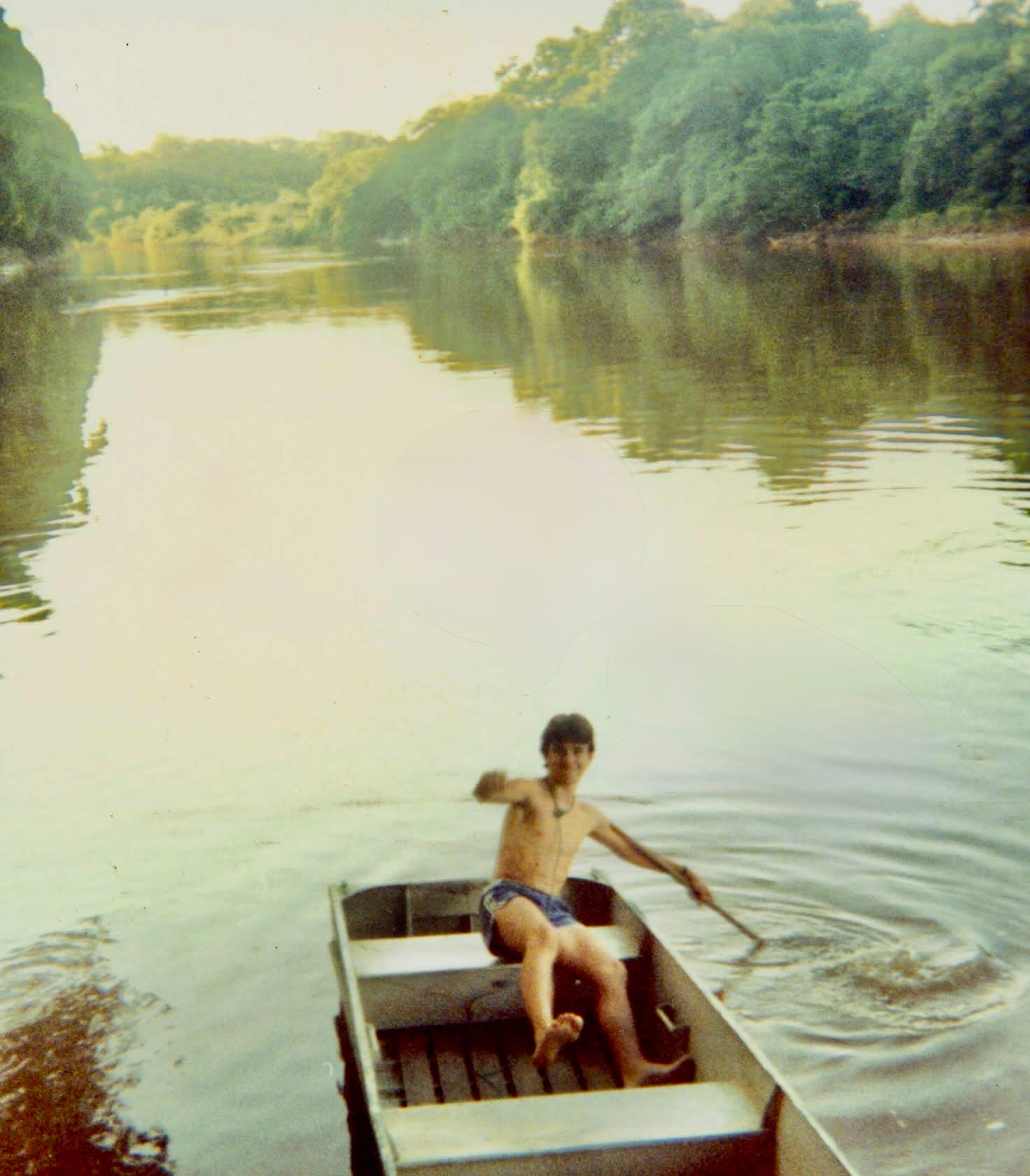
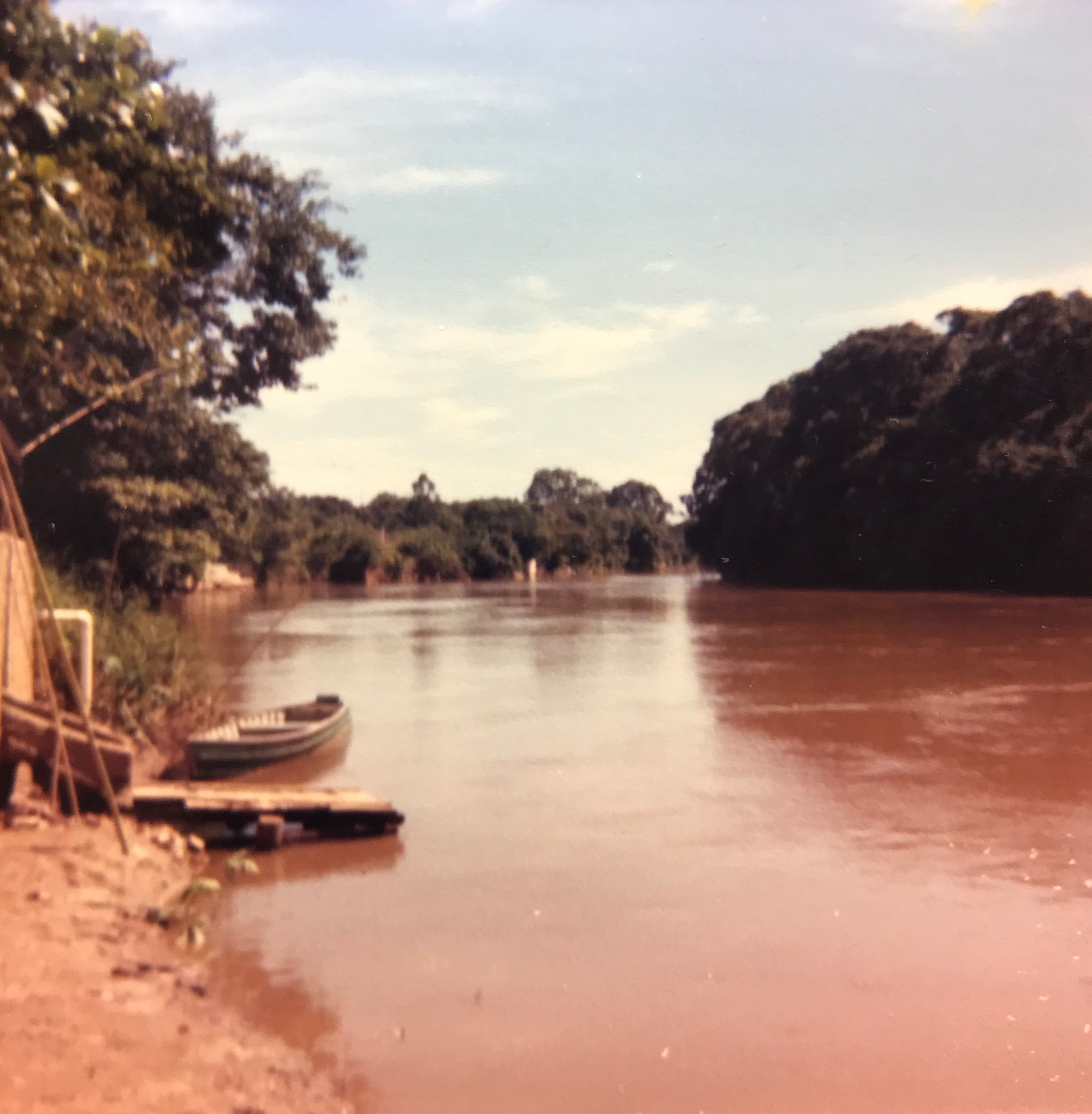
The Mogi Guaçu river was my favorite playground in my teenage years in the 1980's.
On December 20th, 2016, fishermen Toninho Pereira and Agenor Metzker, biologist Mariane M. P. Silva, and I set out with little more than a rough location pulled from the internet and a tank full of petrol. This is what we found — and everything you need to know to go looking for it yourself.
How to Get There
The spring is located just outside the town of Bom Repouso, MG. From Conchal, you have two main options.
The first is via the southern Minas Gerais back roads through Ouro Fino and Inconfidentes — scenic, slow, and the last thirty kilometres are unpaved. The mountain views and the sight of old farms and smallholdings scattered across the hillsides make the cautious pace feel less like an inconvenience and more like part of the journey. This is the route we took on the way in.
The second option is the Fernão Dias Highway, which connects to Bom Repouso by fully paved road. It is faster and more comfortable — we took it on the way home, and while the distance was longer, the total travel time worked out roughly the same.
The exact location is on Google Maps:
Once you reach Bom Repouso: approaching the town from the Fernão Dias side, watch for a brick kiln on your left. Just before it, also on the left, you'll see the turnoff for the river's first waterfall. A little further on, another dirt road branches off to the left — follow it. The property gate is marked "Nascente do Rio Mogi Guaçu" and is easy to spot. You can't drive to the spring itself; from there, it's a short walk through preserved woodland to reach the source.
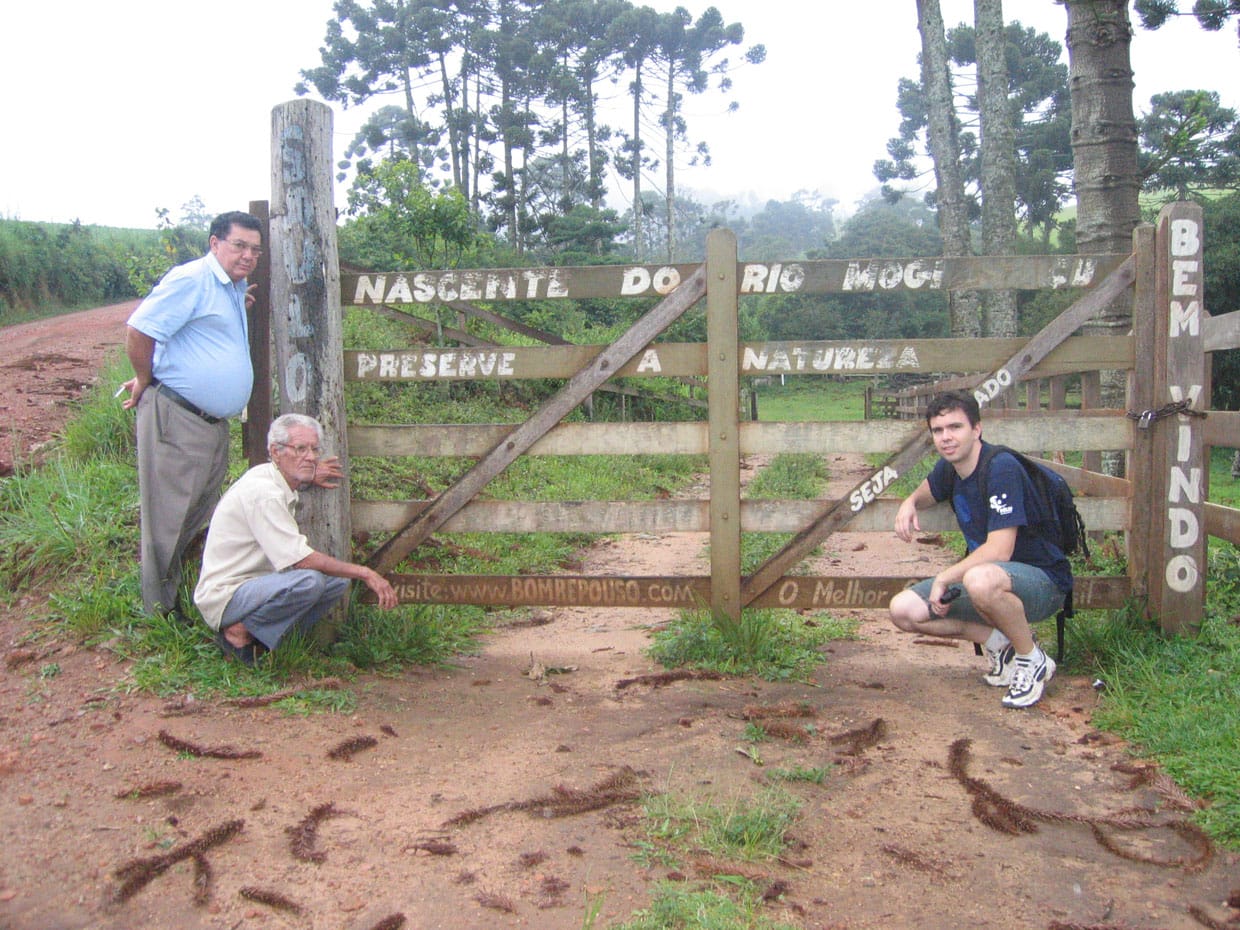
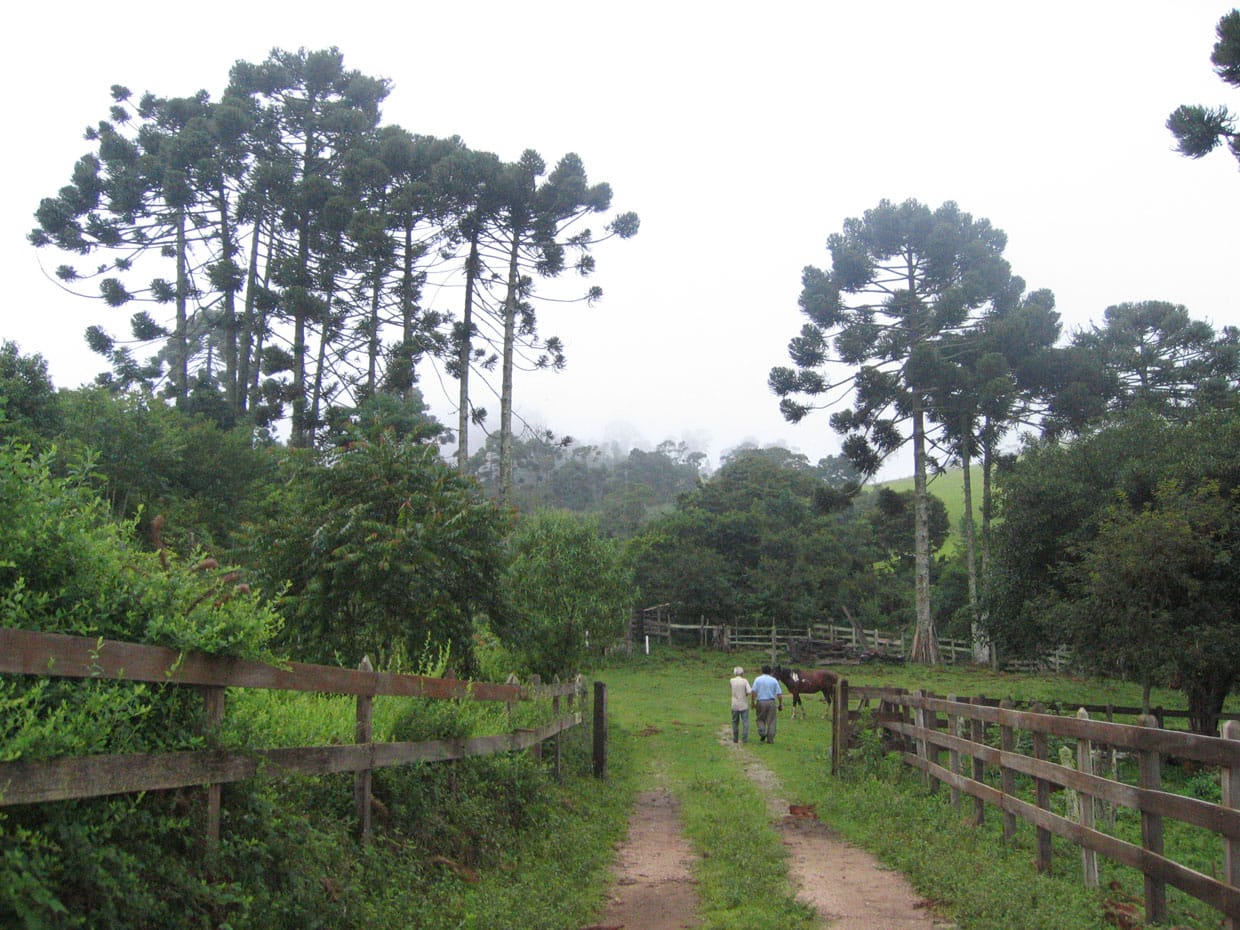
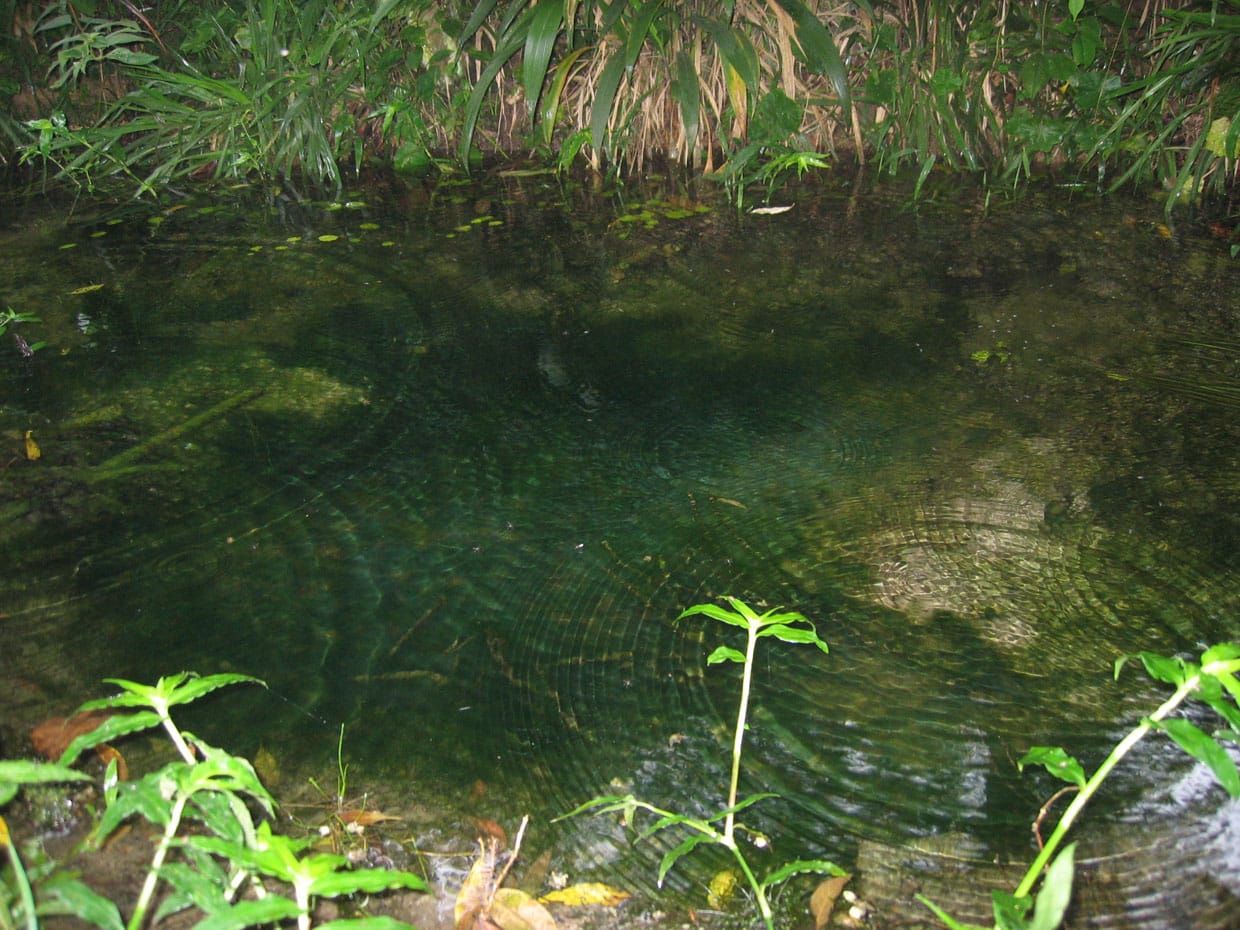

The Mogi Guaçu river spring.
The Spring
After a short walk through dense, shaded forest, you arrive at something that takes a moment to fully process.
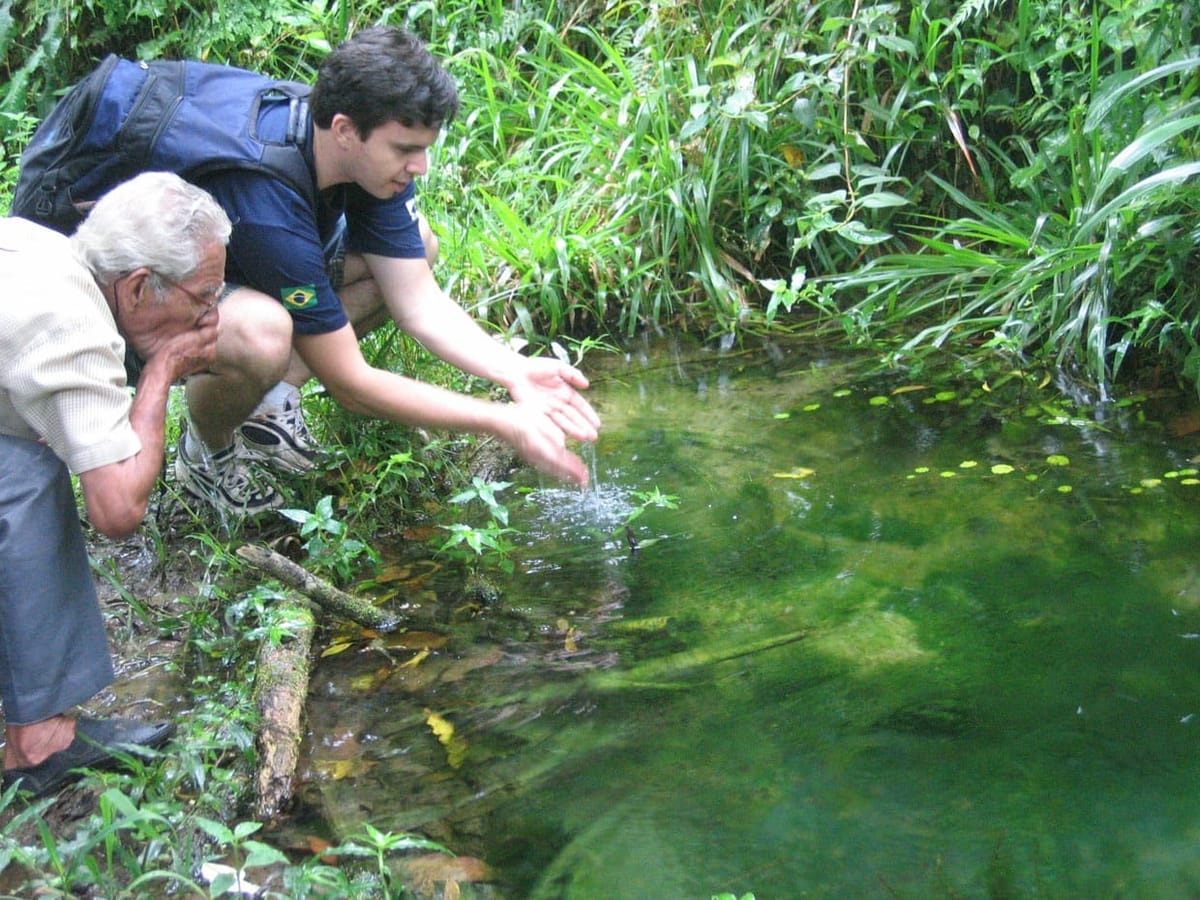
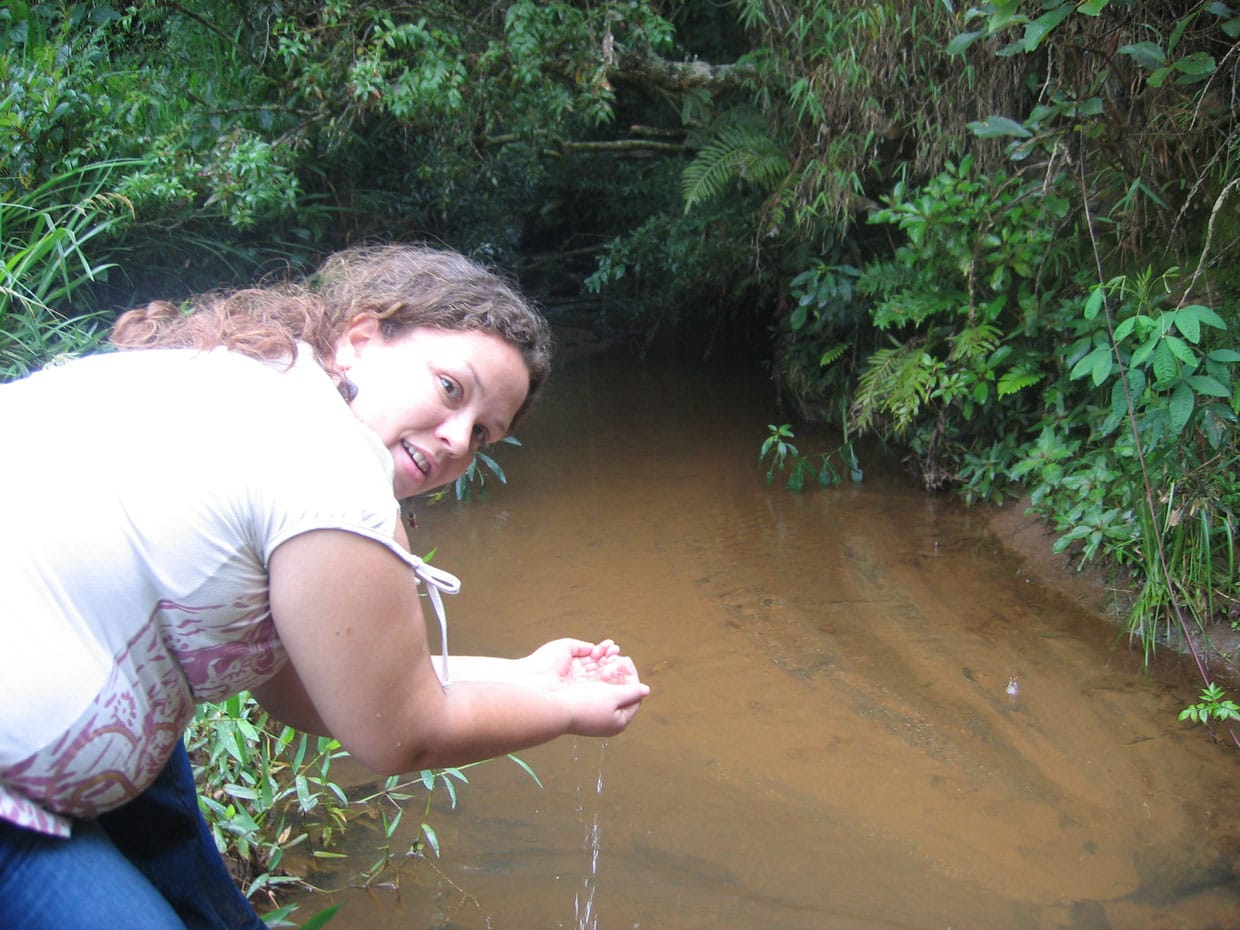
The air is noticeably cooler and damper. Bamboo and banana trees press in from all sides. And there, in a small clearing, a pool of water about two metres across sits perfectly still — impossibly clear, cold to the touch, and utterly quiet. This is where the Mogi Guaçu River begins.
Standing there, thinking about the brownish water back in Conchal, the contrast is difficult to absorb. This is the same river. Same water. It just hasn't met us yet.
From the spring, the water flows along the property as a narrow stream, passing through a series of small dams before reaching its first waterfall and continuing its descent down the mountain. Near the spring, a plaque placed by the Association of Canoeists of Porto Ferreira pays tribute to the source and to the people of Bom Repouso — a quiet acknowledgment that someone, at least, knows what this place means.
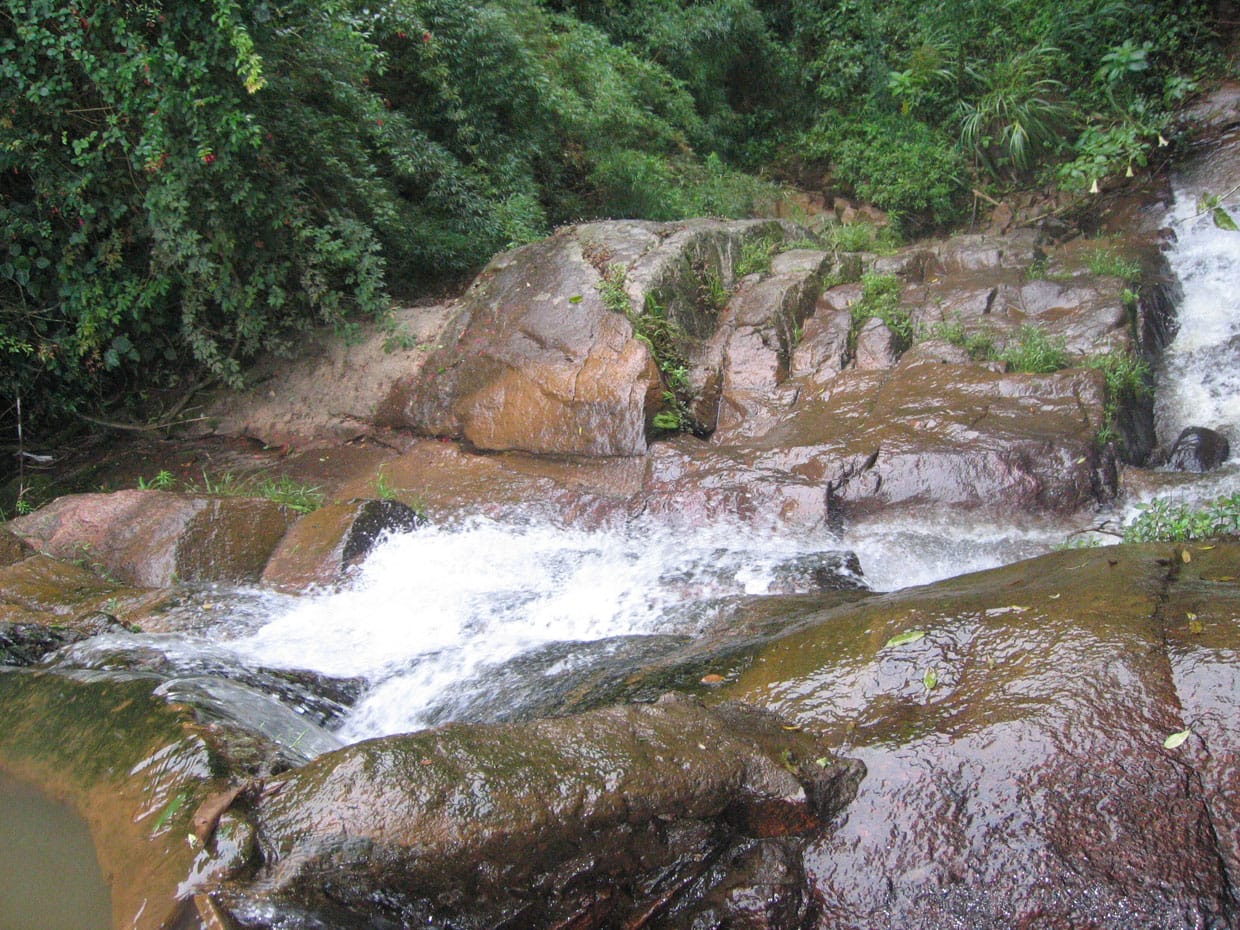
The First Waterfall
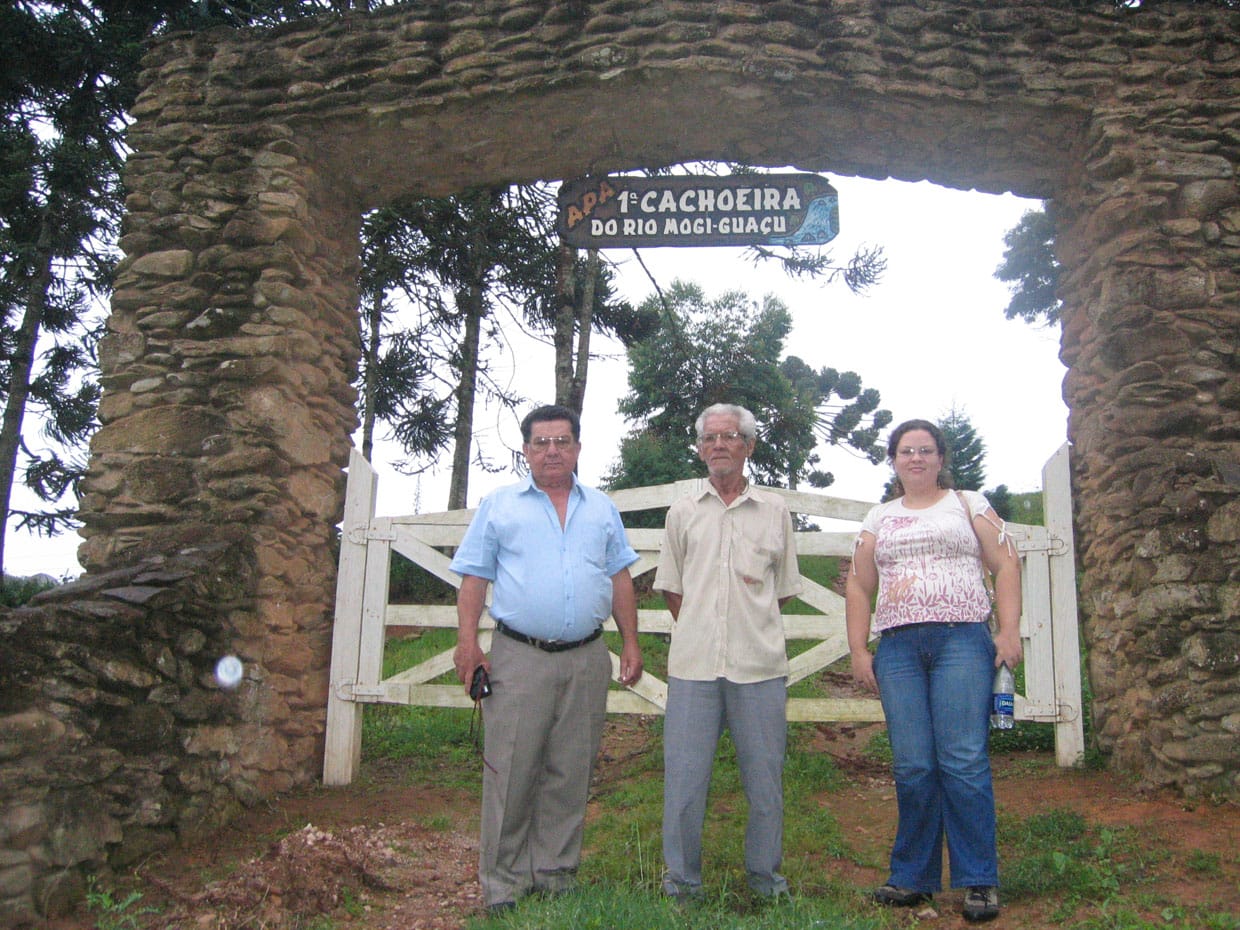
You'll pass the entrance on your way in and it's worth coming back for. Located on the road between Bom Repouso and the Fernão Dias Highway, close to the same brick kiln you used as a landmark, the property entrance is marked by a stone gateway reading "1ª Cachoeira do Rio Mogi Guaçu" — the river's first waterfall.
About a kilometer's walk from the gate brings you to it. The waterfall tumbles through a scene that feels completely removed from the São Paulo interior you left behind: dense mata, the sound of water on rock, the Serra da Mantiqueira rising in the background. It is beautiful in a way that makes the long drive feel like a bargain.
Tips
- Use the maps. We were genuinely surprised by how few people in Bom Repouso knew where the spring was. The Mogi Guaçu is a lifeline for cities downstream, but at its source it's just a thin trickle — and not yet anyone's priority. The Google Maps link is your most reliable guide.
- Ask before you enter. Both the spring and the first waterfall are on private property. Check with the owners before walking the trails — in our experience, the welcome was warm, but it's worth confirming.
- Stop along the Fernão Dias. The highway is lined with roadside stalls selling regional produce: Minas cheese, homemade jams, artisanal cachaça. Buy something. It makes the drive home considerably better.
- Bom Repouso has more to offer. The town is an ecotourism hub with several other natural attractions beyond the river. Check the official Bom Repouso website for a full picture of what else the region has to offer.
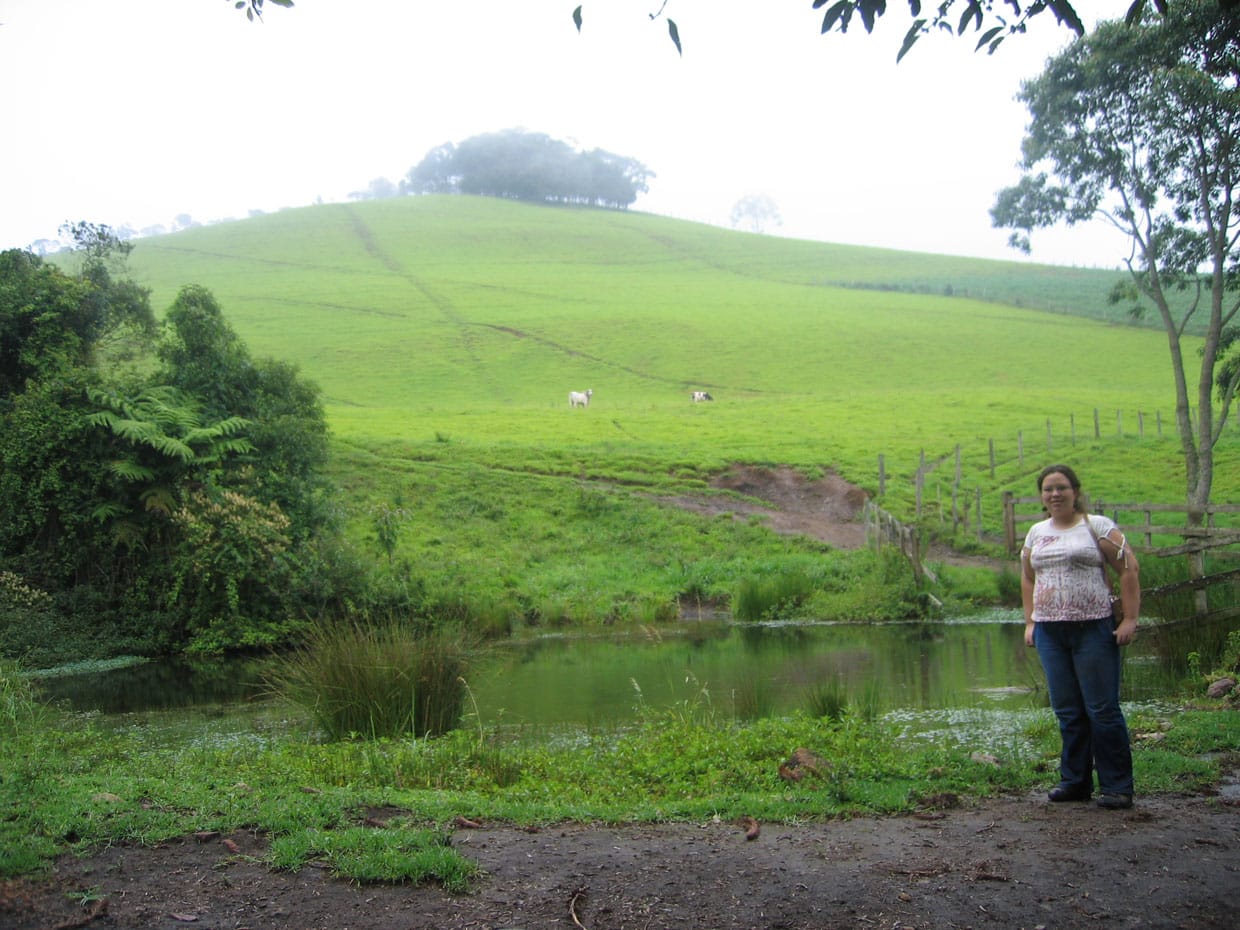
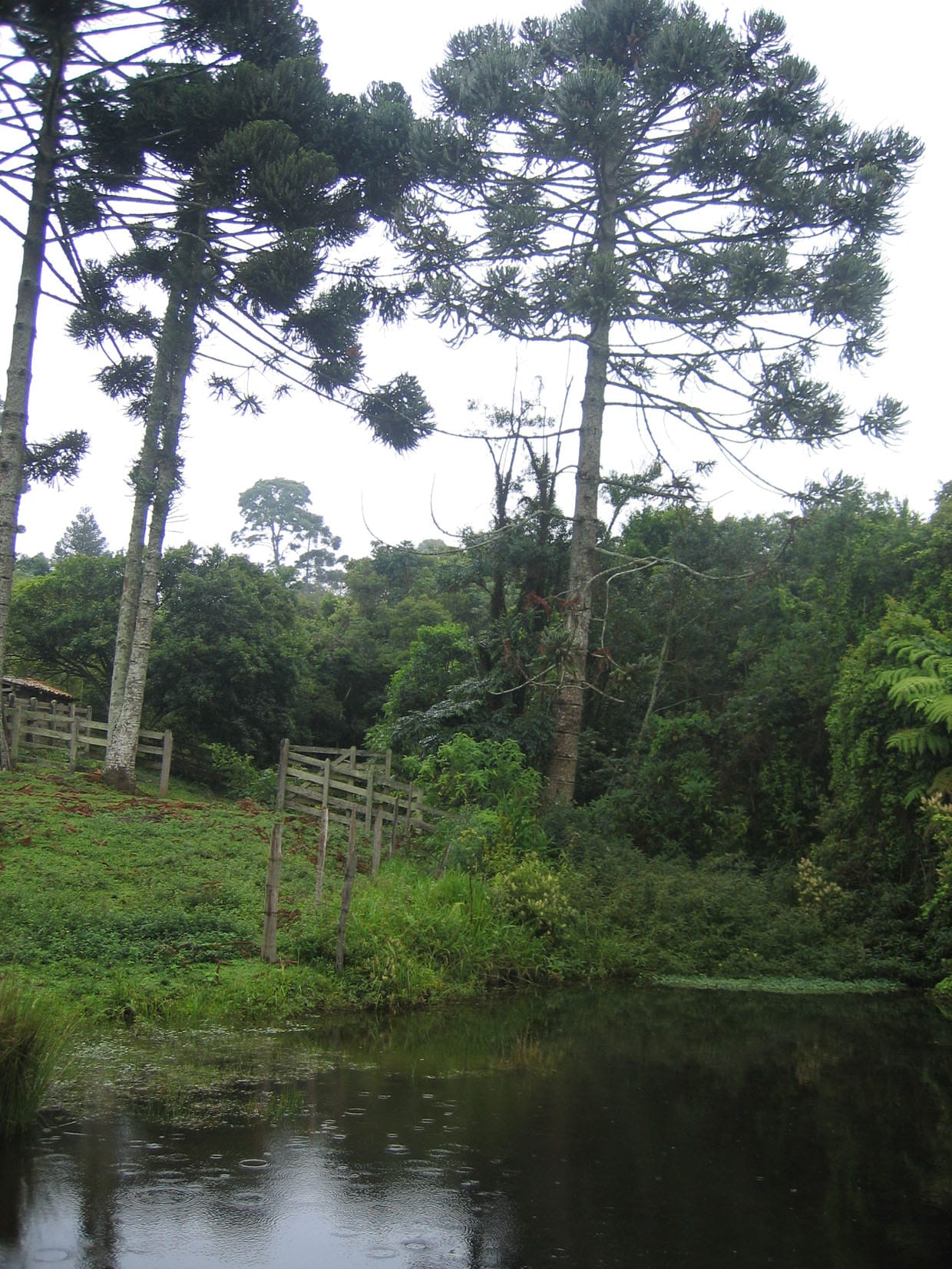
Water pools near the spring of the river.
The river you depend on started somewhere. In the case of the Mogi Guaçu, that somewhere is a quiet pool in the mountains — clean, cold, and still largely unknown. Go see it before you forget it exists.
References